



Lhasa Food
The local food of Lhasa is the characterize of Lhasa culture. The wind-dried beef and mutton, butter tea, and tsampa are the major. Some food are light, without spicy seasonings while others are hot, deeply affected by Sichuan style. Nepalese and Indian Dishes are also available.
In Lhasa, you will find other kinds of food you may want to eat. Beijing cuisine, Sichuan cuisine, Mongolian and even western-style cuisine are easily to be found in the city. Deji Lu, where you will find about 100 restaurants, is the most popular dining place among locals. Western and Tibetan style restaurants in Beijing Lu and the Barkhor Street are always crowded with visitors. Some big hotels also serve Nepalese and Indian food.
| Local Cuisines |
Wind-dried Beef and Mutton
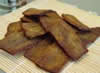 A kind of unique food featured with the Tibetan style. When the temperature is under 0℃ in the end of every year, the Tibetan skive the beef and mutton into strips and hang them in shade to get air-dried. After the wind-dry, the meat is crisp with an endless aftertaste. It could be taken in Feb. or Mar.
Butter Tea
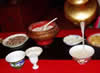 Butter Tea is the main drink in Tibetan’s daily life, made from butter, brick tea and salt. People of the Zang nationality have the habit of drinking it, which is said to help digestion. The hospitable Tibetan welcome VIP with Butter Tea, and it is impolite to refuse it. The Tea Party has been running through all kinds of klatch.
Tsampa
Tsampa is the basic food in Tibet, which is consumed daily. Tsampa
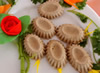 is actually barley flour made from parched barley, un-husked and ground into fine flour. Mix the flour with salted butter tea in a bowl, rotate the bowl with the left hand and mix the food with the fingers of your right hand, rolling it into small lumps, and squeezing it into your mouth with your fingers. Other ingredients may also be added to add flavor.
Chang
Chang, also called “Chong” is brewaged by Qing Ke, a kind of crop produced in Qinghai-Xizang plateau, which is favored by people of all
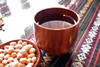 ages and both sexes in Tibet. It featured yellow color, sour and sweet taste, while lower in alcohol. Drinking Chang should obey “one cup in three times”, that is after drink a bite firstly, pour out; drink another a bite, pour out again; drink at the third time, pour out again. Commonly, the host sing songs when proposing a toast to the customers.
 Recommended Restaurant
Questions & Answers:
 Here is only for Questions and Answers. ( For anyone who wants to have an enquiry or customized tour, please email us to
  . )
. )