

Mary Ma,
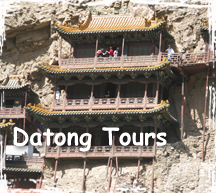
I would like to personally thank you for your having chosen Mr. Li - our driver in Datong and Reina - our tour guide in Datong who were helpful and knowledgable. They took great care of me and my wife on our just ended short tour to Datong. They had a strong sense of punctuality. They fully understood what we wanted was. We found them extremely polite, curteuous. They are an asset to your company. The historic Datong is beyond our expectation! The Yungang Grottoes and Yingxian Wooden Pagoda are world class cultural heritage. It is a shame that the publicity of Datong is so limited. If not introduced by your tour company, Datong would never have been included in our China trip this time. Thanks! I will introduce Datong to my colleagues and friends future in f. Keep in touch!
Margaret and Robert
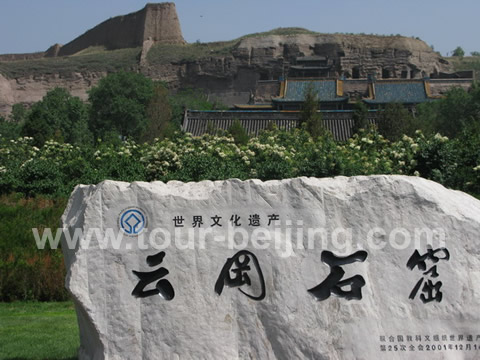
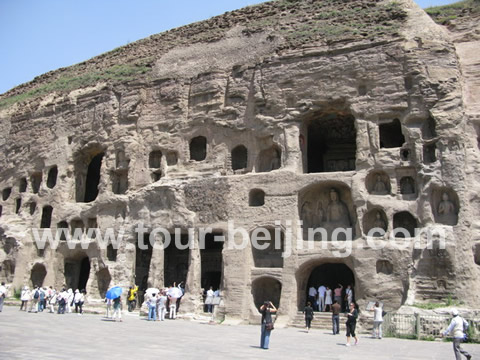
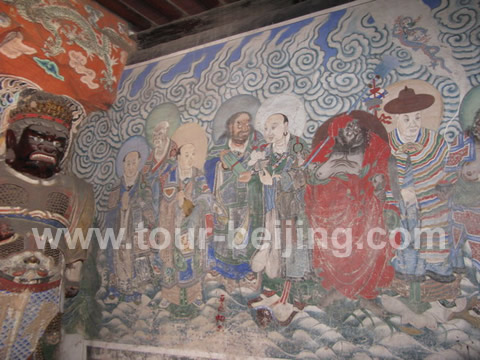
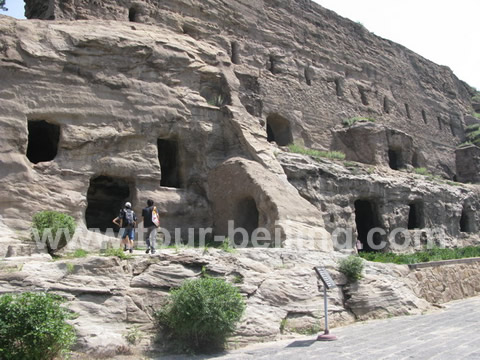
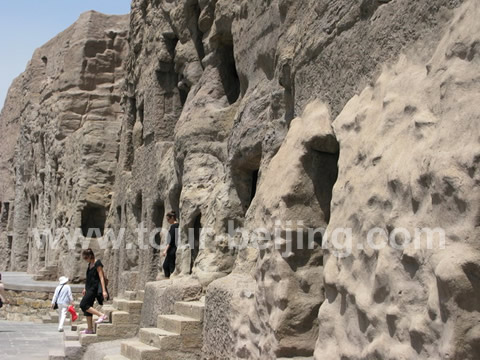
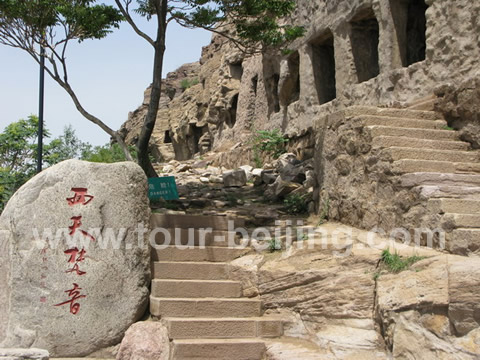
The three main sites in China that are famous for their stone sculpture are Gansu Province Dunhuang, Luoyang Longmen and Datong Yungang. Among these, the Yungang grottoes are considered the first among equals, for their tremendous size, their ancient history and their relatively complete state of presenvation. In 1961, the State Council of China declared this a National Key Cultural Relics Protected Unit and in 2001 the stie was listed as a World Cultual Heritage Site.
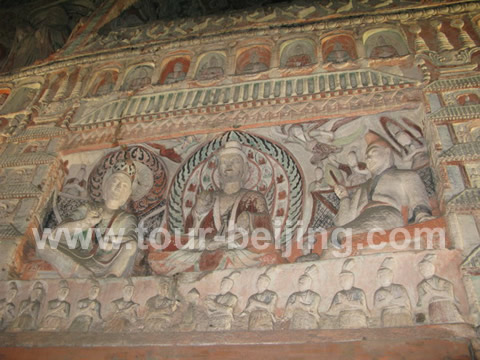
With their 252 caves and 51,000 status, the Yungang cave art represent the successful fusion of Buddhist religious symbolic art from south and central Asian with Chinese cultural traditions, starting in the 5th century CE under Imperial auspices. The power and endurance of Buddhist belief in China are vividly illustrated by the Yungang gottoes.
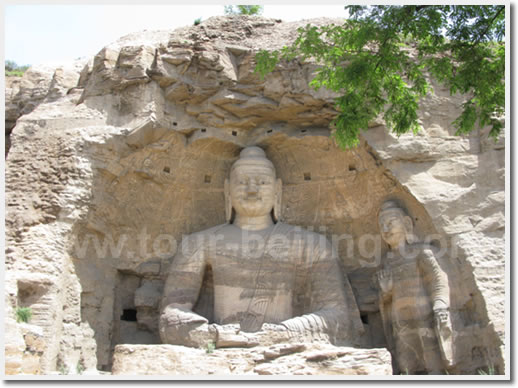
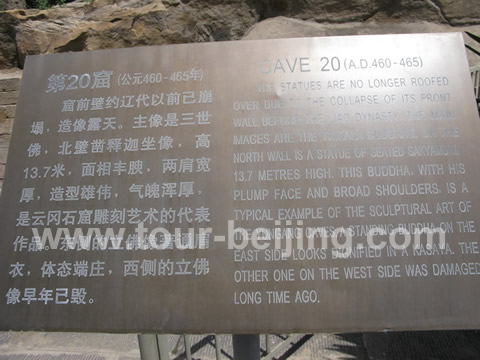
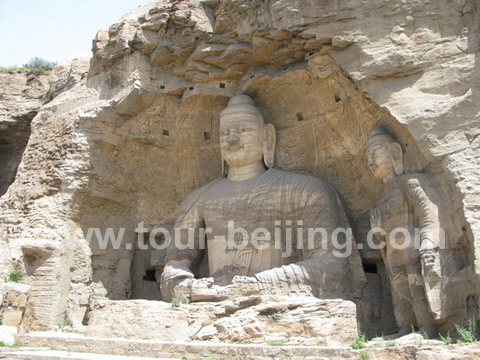
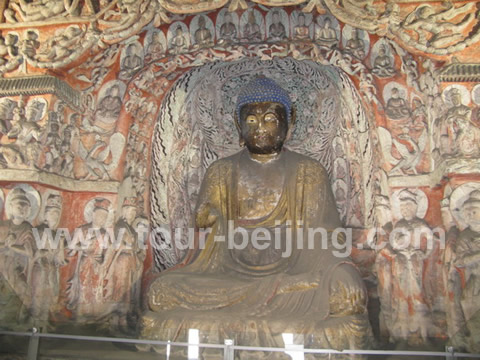
The caves can be divided into 3 phases: cave 20 is one of the five earliest caves of monk Tan Yao, house of the sitting statue of Sakyamuni, which is 13.7 meters high, with a full and round face, majestic smile, slim up and a high nose, ears that extend almost to the shoulders, radiant eyes, and broad shoulders. It is the representative of the Buddha sculptures of the Yungang Grottoes.
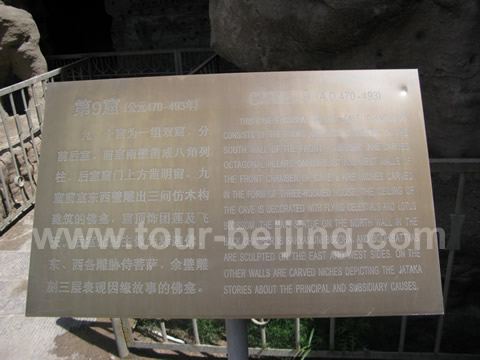
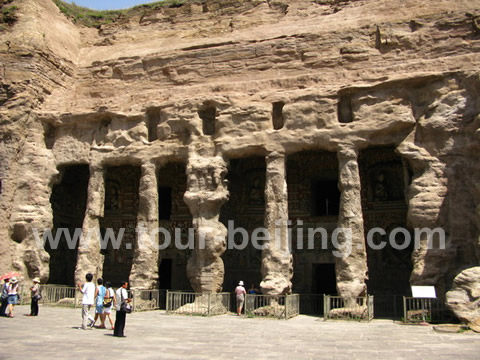
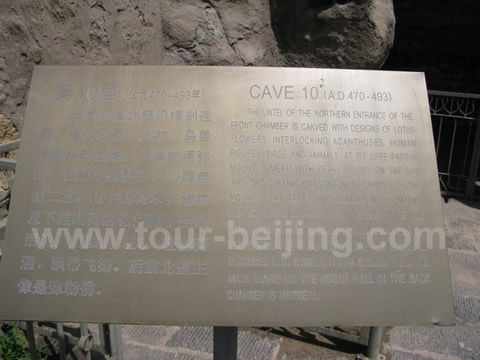
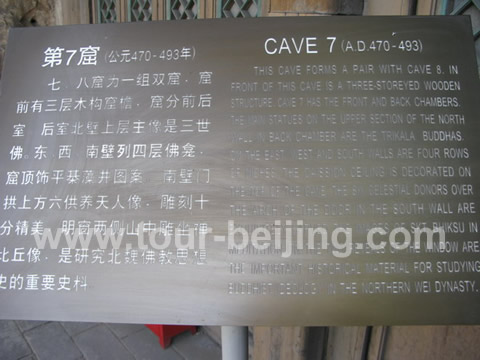
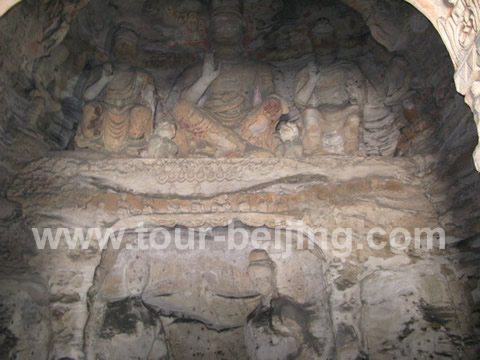
The second group ranging from Cave 5 to Cave 13 is where the tours normally begin. Grotto 5 contains a seated Buddha at a height of 17 meters. In Cave 6, a 15-meter-high two-storied pagoda pillar stands in the center of chamber, and the life of the Buddha from birth to the attainment of Nirvana is carved in the pagoda walls and the sides of the cave. The Bodhisattva was engraved in Cave 7. The rarely seen Shiva Statue in Yungang, with eight arms and four heads, riding a bull, is illustrated in Cave 8. Cave 9 and 10 are notable for their front pillars and figures bearing musical instruments. Musicians playing instruments also appear in Cave 12. Cave 13 has a Buddha statue with a giant figurine supporting its right arm.
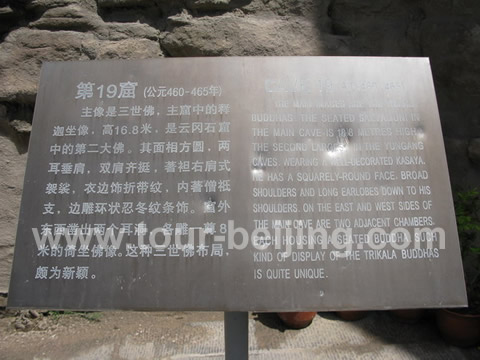
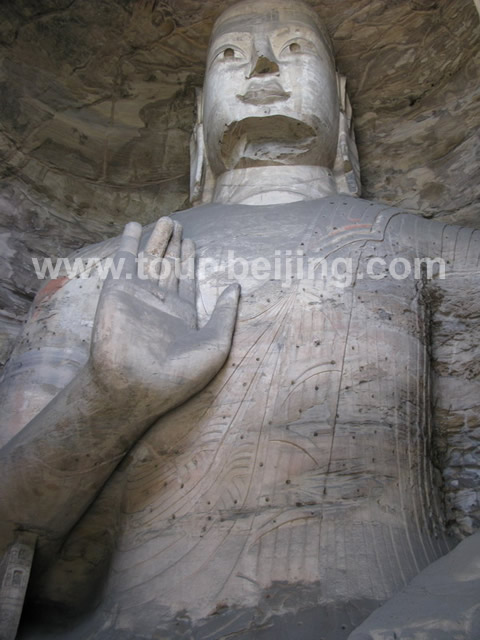
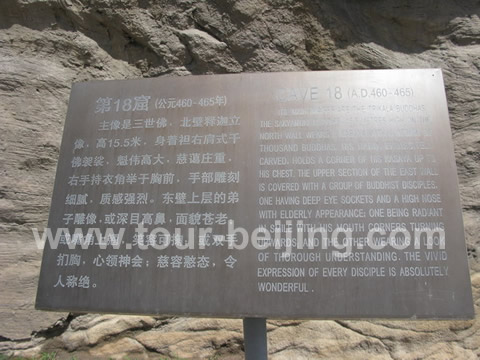
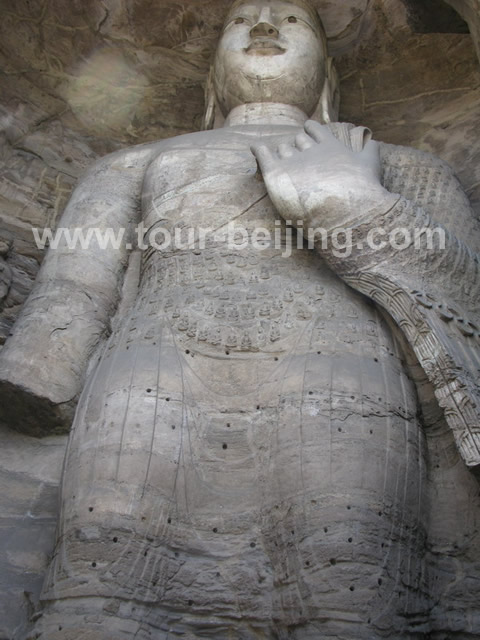
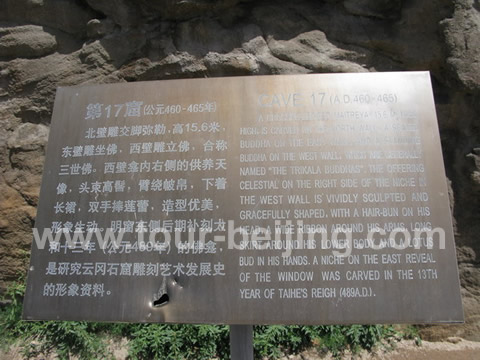
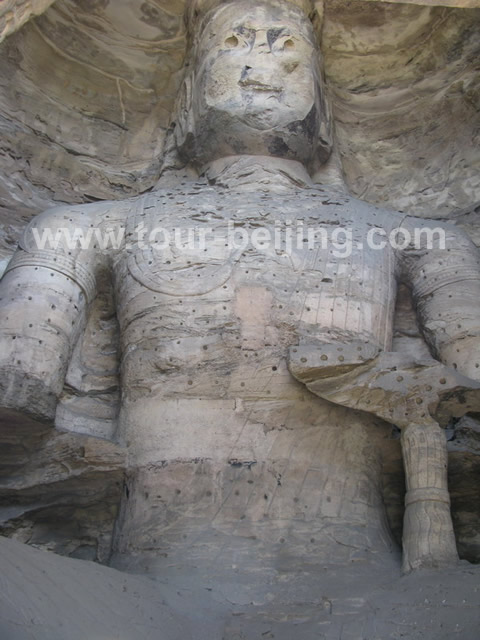
The rest of the caves belong to the third group. Cave 14 has been eroded severely. Cave 15 was named the Cave of Ten Thousand Buddha. The caves numbered 16 to 20 are the oldest complex and each symbolizes an emperor from the Northern Wei Dynasty, with subject of "Emperor is the Buddha." The caves from Cave 21 onward were built later and cannot compare to their better-preserved counterparts.
(24 Hours Service, also on weekends and holidays) Hotline:0086-10-67160201 ext 1006,1007 Hotline: ( after office hours, on weekends and holidays ):
0086 13520598855, 13901312027 FAX:0086-10-67160150 E-mail: info@tour-beijing.com MSN: tour-Beijing@hotmail.com ( MSN Only ) Office Hours: 8:30-18:00 ( GMT+0800 ) Monday - Friday Tour Operator:Beijing Xinhua International Tours License NO. L-BJ-GJ00002 ICP: 041309 Address: 2001-1-1, Nanxiaojie,Guangqumen,Chongwen District, Beijing, China 100061
For any questions or suggestions about website tech, please contact: webmaster@tour-beijing.com